

Installs
Article
From Cost Center to Strategic Asset: The Evolution of Facility Management

Ben Young
Managing Director
January 28, 2026
Modern facility management is shifting from a "cost centre" to a strategic asset. By mastering data and stakeholder management, the industry can elevate its value and move beyond reactive maintenance.
Facility management has long battled a perception problem. Often viewed strictly through the lens of maintenance but the reality of the role is far more complex. Modern FM is a strategic discipline that balances operational efficiency, risk management, and long-term asset value. However, bridging the gap between operational "fixing" and strategic "planning" remains one of the industry's biggest hurdles.
The Outsourcing Dilemma and the Data Deficit
One of the most critical strategic decisions an organisation faces is how to structure its operating model: should facilities be managed in-house, or is outsourcing the better path?
While many organizations look for a standard playbook, industry experts argue that the decision cannot be made in a vacuum. Ujwal Lakra, Co-Director of FM and Asset Management Advisory at MBM, suggests that the answer lies in the maturity of an organisation's data rather than a generic industry trend.
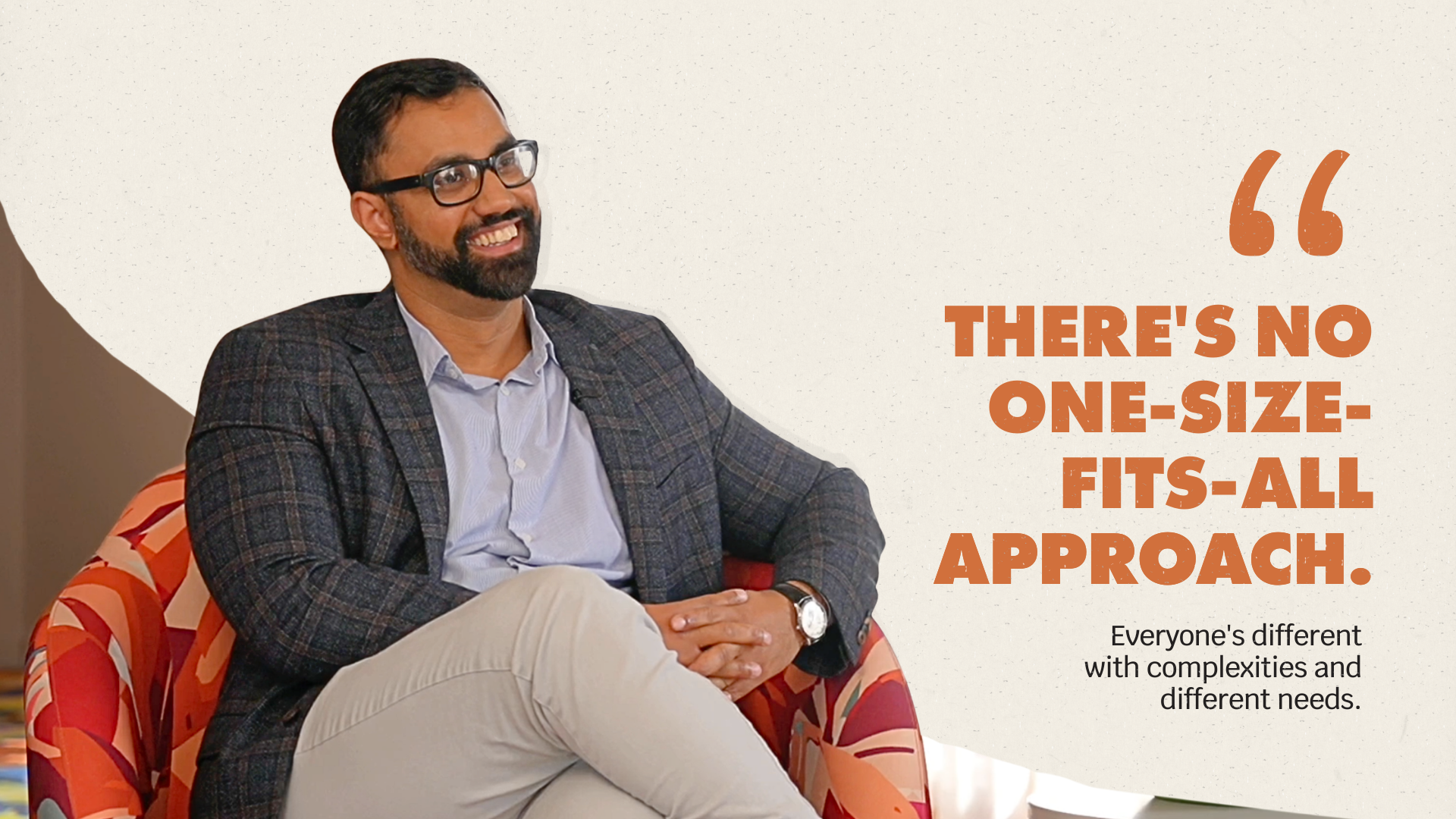
"There's no one-size-fits-all approach," Lakra notes. "Everyone's different with different complexities and different needs."
Ideally, this decision is driven by a comprehensive asset register—knowing exactly what the organisation owns, its condition, and its lifecycle costs. However, the gap between the ideal and the reality is often stark. Despite the increasing emphasis on data-driven decision-making, perfectly maintained data sets are a rarity. Lakra admits, "There's not one client that's got a complete asset register data set; I've never seen it in my time."
This "data deficit" complicates strategic planning, often forcing organizations to make critical operational decisions based on incomplete pictures of their own portfolios.
Mastering the Dual Role: Assets and Stakeholders
For professionals entering the field, the challenge is not just technical but interpersonal. A successful facility manager acts as the pivot point between the physical building and the people who occupy it. Success requires navigating these two often-conflicting spheres.
The technical side demands a deep knowledge of the physical asset: understanding the building's systems, lifecycle, and quirks. The soft-skill side requires managing the expectations of those who use the building. Lakra advises that mastering this duality is the fastest route to competency.
"Understand your stakeholders... know who's who and... who has... the degrees of influence so that you can do your job," he says. "And know your building... get to know your asset as quickly as you can... once you can do that... you'll succeed in your role."
Shifting the Narrative: Beyond the Cost Center
Perhaps the most significant challenge for the industry is shifting the boardroom perception of facility management. FM is traditionally categorized as a "cost center"—a necessary expense to be minimized rather than a value driver to be optimized. This classification often undermines the strategic contributions FMs make toward sustainability, employee productivity, and asset longevity.
To change this, the industry must actively work to elevate its own value proposition, moving the conversation away from reactive repairs and toward proactive value preservation.
"I think FM might not be given the right level of... credibility that they deserve," Lakra observes. "It's often considered a cost base... not a profit center... so I think there's a bit of work... for us to do collectively as an industry... to sort of elevate the role of an FM and the value that they provide an organization."
By focusing on accurate data, stakeholder management, and strategic asset planning, the industry can claim its place as a critical component of organisational success.
Hear more from Ujwal in our episode of Let's Talk Facilities here.
Subscribe to the Let's Talk Facilities podcast.


.png)